
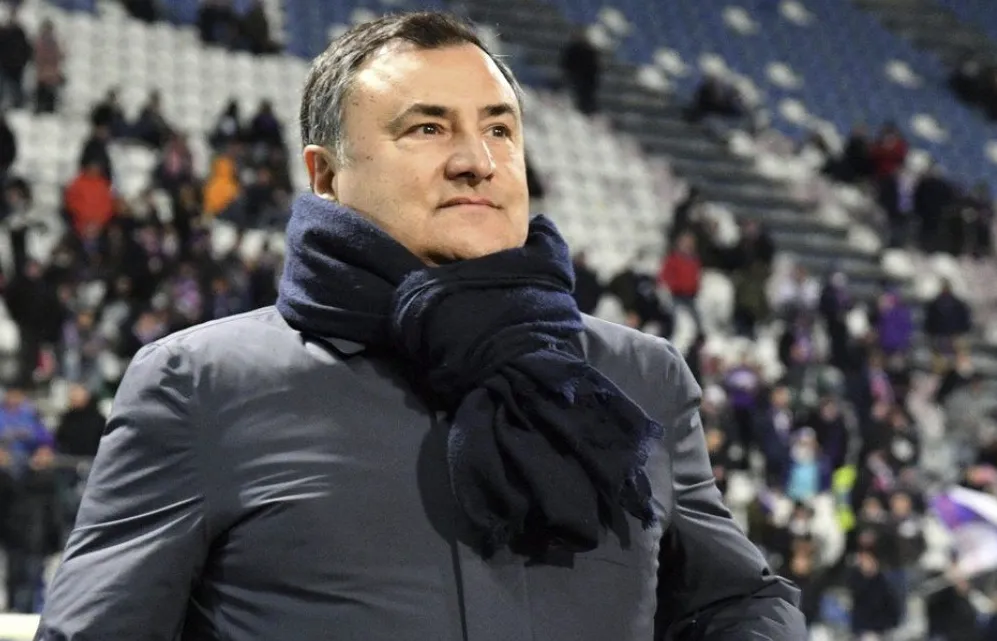
The football world is in mourning. The iconic Italian club, Fiorentina, has been struck by a profound tragedy with the sudden passing of their General Manager, Joe Barone, at the age of 57. The news, which broke earlier this week, sent shockwaves through the sport, leaving fans, players, and officials in a state of disbelief. Barone, a key architect of the club’s modern renaissance, suffered a cardiac arrest, a stark reminder of the fragility of life even amidst the glitz and glamour of professional sports.
For the millions of fans who follow Serie A and the passionate community surrounding Krikya, this loss feels deeply personal. It’s not just the passing of a club executive; it’s the loss of a visionary who worked tirelessly behind the scenes to restore Fiorentina’s status as a competitive force in Italian football. This article aims to provide a comprehensive look at the life of Joe Barone, the details surrounding his untimely death, and the legacy he leaves behind at the Stadio Artemio Franchi.
Who Was Joe Barone? The Man Behind the Viola Revival
To understand the magnitude of this loss, one must first understand the man himself. Joe Barone was not just a General Manager; he was the operational heart of Fiorentina. Born in Sicily, Italy, Barone later moved to the United States, where he developed a sharp business acumen. His return to Italian football came when he teamed up with club president Rocco Commisso. Together, they formed a formidable partnership, purchasing Fiorentina in 2019 from the Della Valle family.
The Mastermind of Operations
As the General Manager, Barone was the bridge between the club’s ambitious ownership and the day-to-day realities of running a top-tier football club. He was largely credited with:
- Strategic Vision:Overseeing the club’s long-term planning, from transfer market strategies to stadium infrastructure.
- Financial Stability:Bringing a disciplined, American-style business approach to the club’s finances, ensuring Fiorentina operated on solid ground.
- Team Development:Working closely with the coaching staff and sporting directors to build a competitive squad. Under his watch, players like Ribery, Vlahovic (before his sale), and currently young stars like Nico Gonzalez flourished.
Barone was often the public face of the club’s administrative decisions. He was known for his direct communication style, his passion for the Viola, and his unwavering commitment to seeing the club build a new, modern stadium—a project he championed relentlessly.
A Character Beyond the Boardroom
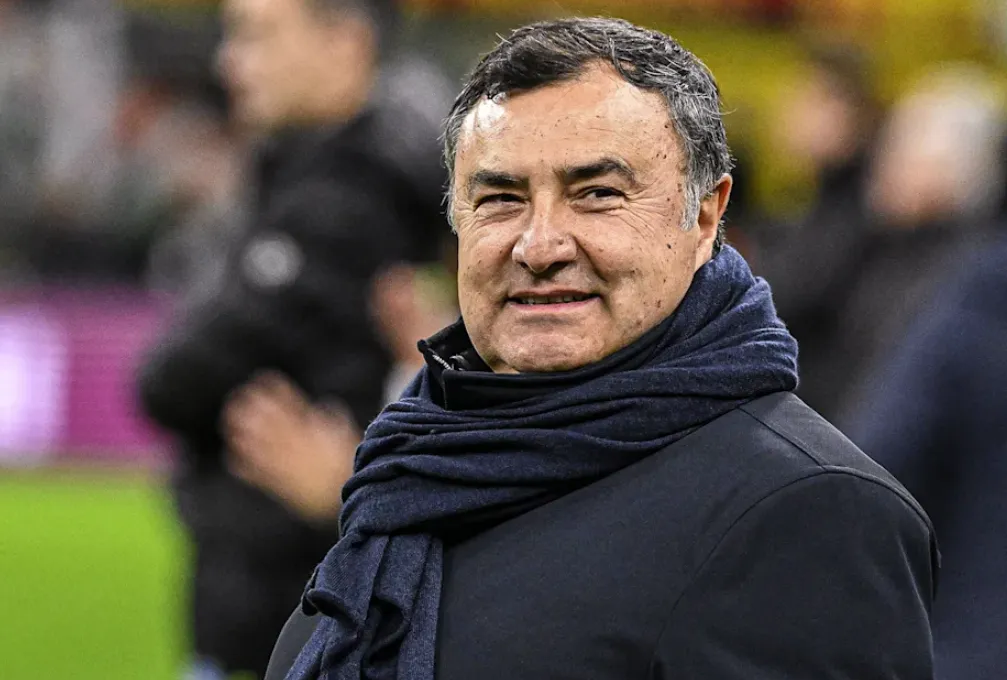
Colleagues describe him as a warm but driven individual. He wasn’t a cold executive; he was a fan who happened to have a brilliant mind for business. His relationship with the players was built on respect rather than fear. He understood that modern football required not just financial muscle but also a human touch. This duality made him an increasingly influential figure within the corridors of Italian football power.
The Sudden Cardiac Arrest and Timeline of Events
The tragedy unfolded with shocking speed. Joe Barone was not at the club’s training ground or a board meeting when he fell ill; he was with the team on a matchday trip.
The Fatal Journey
On the day of the incident, Fiorentina was preparing for an away fixture. According to reports, Barone felt unwell while traveling with the team. He was rushed to a hospital near Milan, where he underwent emergency surgery for a cardiac arrest.
A Battle That Could Not Be Won
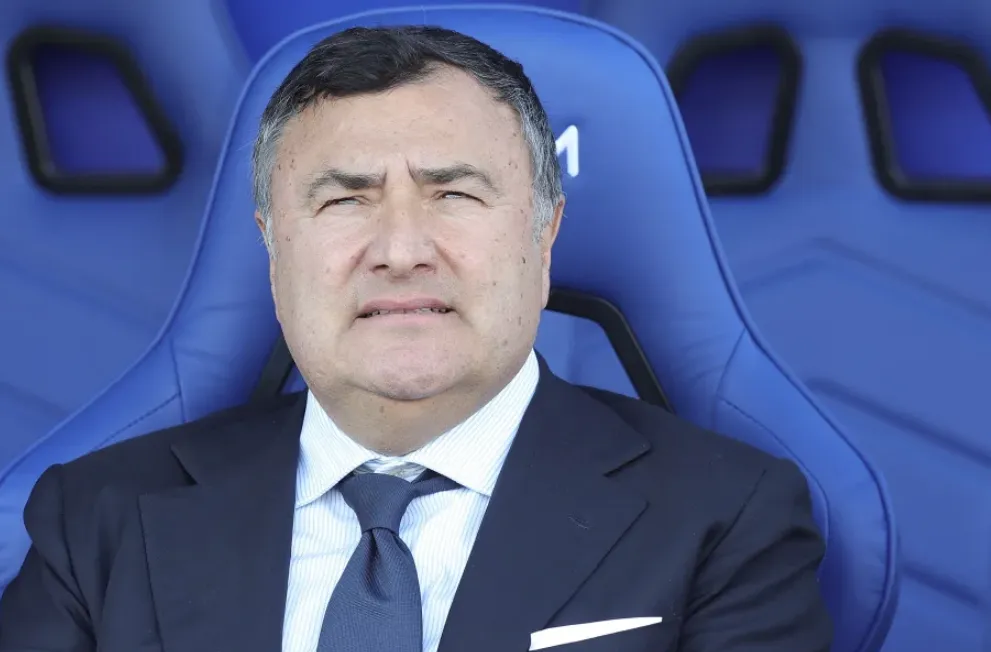
Despite the best efforts of the medical team, Barone’s condition was serious. The football community held its breath, with fans from rival clubs, including Juventus and AC Milan, sending messages of support to the Fiorentina family. However, the tragedy had a grim conclusion. The club officially announced his passing, stating that his heart had simply given out. He was only 57 years old.
The immediate Aftermath
The reaction was immediate and emotional.
- Fiorentina’s Response:The club canceled all public events and postponed their upcoming Serie A match as a mark of respect. The team’s training ground, Viola Park, was wrapped in an atmosphere of profound grief.
- The Fans’ Tribute:Thousands of Fiorentina supporters gathered outside the Stadio Artemio Franchi, lighting candles and laying scarves. The “Curva Fiesole,” the club’s most passionate fan section, organized a silent vigil.
- League Reaction:The Italian Football Federation (FIGC) observed a minute of silence across all matches that weekend.
The Legacy: More Than Just a Manager
Barone’s death leaves a void that will be incredibly difficult to fill. His legacy, however, is already written into the club’s history.
The Stadium Dream
Perhaps his most significant unfinished project was the new stadium. Barone fought numerous bureaucratic battles to secure permission for Fiorentina to build a modern, state-of-the-art facility to replace the aging Franchi. His passing raises serious questions about the future of this project, which was central to the club’s financial and competitive future.
A Culture of Ambition
Before Barone and Commisso, Fiorentina was a club in relative stasis, often finishing in mid-table obscurity. Barone helped instill a culture of ambition. He was instrumental in signing high-profile players and pushing the club into European competitions. He wanted Fiorentina to be a “club of the future,” not just a nostalgic memory of the 1990s days of Batistuta and Rui Costa.
For the Players
For the current squad, Barone was a father figure. Several players, including captain Cristiano Biraghi and star striker Jonathan Ikoné, have since posted emotional tributes on social media, speaking of his kindness and the personal conversations they shared. Captain Biraghi said, “He was the first one to welcome us when we joined the club. He made us feel like family. Today, we lost our father.”
What Happens Next for Fiorentina?
In the immediate future, the club is in a state of mourning. President Rocco Commisso, who was in the United States at the time, has rushed back to Florence. He has vowed to continue Barone’s work.
The Short-Term Impact
- Managerial Pressure:Coach Vincenzo Italiano must now manage a locker room that is emotionally devastated. The team’s performance may suffer in the short term as they grieve.
- Transfer Strategy:The summer transfer window will be challenging without Barone’s guiding hand. The club’s sporting director will likely take on more responsibility, but the strategic oversight is gone.
The Long-Term Outlook
Can Fiorentina move forward without its CEO? The answer lies in how well they maintain the structure Barone built.
- Internal Promotion:Expect Commisso to promote from within, likely elevating current administrative staff to maintain continuity.
- A Tribute Season:The 2024/25 season will undoubtedly be dedicated to the memory of Joe Barone. Fans will expect the team to fight for a European spot as a fitting tribute.
Conclusion: A Life Cut Short, A Legacy Forged in Violet
The passing of Joe Barone is more than just a news headline. It is a story of a man who left his home country, found success abroad, and returned to his roots to save one of Italy’s most beloved institutions. He was a diplomat, a strategist, and a passionate fan all rolled into one.
It is a tragic irony that a man who worked so hard to give life to a football club ended up losing his own so suddenly. Yet, his spirit will remain in every pass, every goal, and every victory at the Stadio Artemio Franchi. For the fans of Fiorentina and the faithful followers on platforms like Krikya, his memory will be a permanent part of the Viola tapestry. He may be gone, but the heartbeat of Fiorentina—a heartbeat he helped strengthen—continues to pulse.
Rest in peace, Joe Barone. Your passion will never be forgotten.
What are your fondest memories of Joe Barone’s tenure at Fiorentina? Do you think the club can maintain its momentum without him? Share your thoughts in the comments below, and don’t forget to explore more of our deep-dive analysis on Italian football and club management on our website.
