
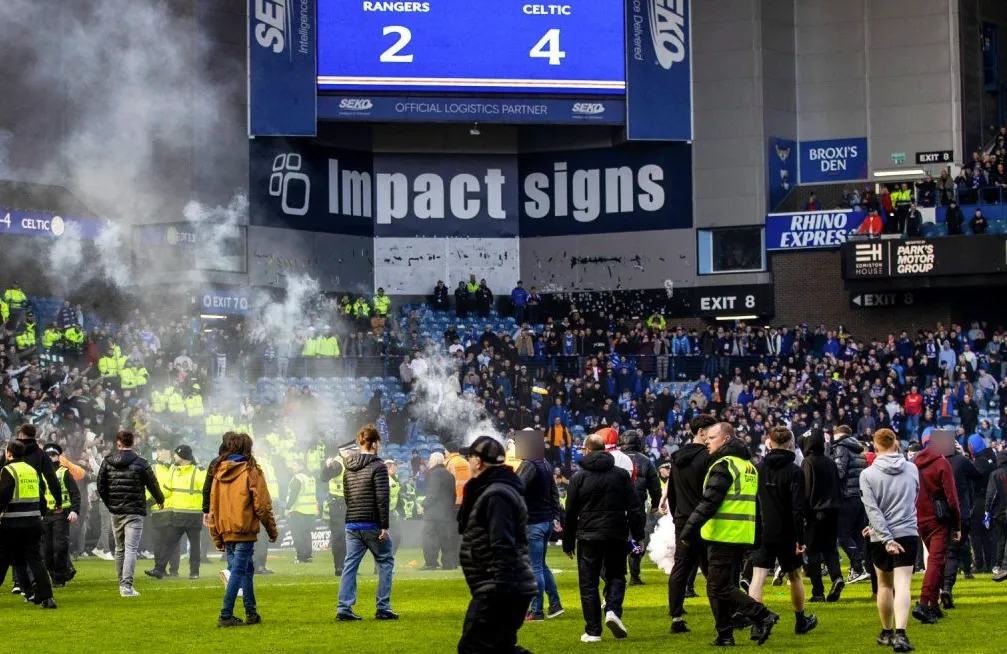
The Old Firm rivalry, one of the most intense and storied rivalries in world football, has once again found itself in the headlines for all the wrong reasons. Krikya has learned that Rangers Football Club has issued a strong statement condemning what they describe as “vile” behavior from a section of Celtic supporters. The incident involved the mocking of the Ibrox Disaster, a tragic event that claimed 66 lives in 1971, during a recent match. This has reignited a painful chapter in Scottish football history, prompting calls for greater respect and accountability from both clubs and their fanbases.
This article delves deep into the details of the controversy, exploring the historical context of the Ibrox Disaster, the nature of the mockery, and the official responses from both Rangers and Celtic. We will also examine the broader implications for the Scottish game, drawing on expert opinions and fan reactions to understand the deep-seated emotions at play. As the football community grapples with this issue, the focus shifts to how such tragic events can be honored without becoming a weapon in the heated atmosphere of a derby match.
Who Was Involved and What Happened?
The controversy erupted following the latest Glasgow derby, where Rangers hosted Celtic at Ibrox Stadium. According to multiple reports, a group of Celtic supporters were heard and seen chanting and displaying banners that referenced the Ibrox Disaster, the tragic crush that occurred on January 2, 1971, during a match between the two sides. The disaster remains the deadliest in Scottish football history, and any reference to it in a mocking context is considered deeply offensive by many.
Rangers Football Club swiftly responded by releasing a statement on their official channels, expressing their outrage. The club labeled the actions as “vile and unacceptable” and emphasized the profound pain the incident causes to the families of the victims and the wider Rangers community. “We will not stand by while a tragedy that claimed the lives of 66 people is trivialized,” read the statement.
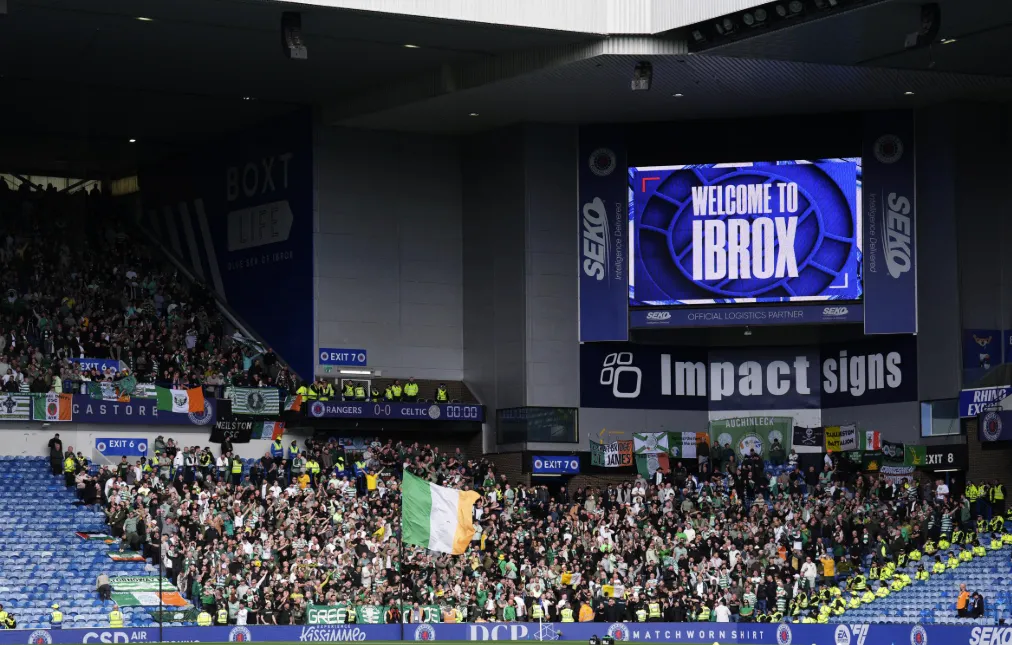
This is not the first time tragedy-related chanting has marred an Old Firm match. The rivalry, while passionate, has a dark history of sectarianism and disrespect for historical events. The Ibrox Disaster, in particular, is a sacred memory for Rangers supporters, and any perceived slight is met with fierce condemnation. The incident has once again put the spotlight on the behavior of a minority within football crowds and the challenges clubs face in policing such actions.
Detailed Timeline and Context of the Ibrox Disaster
The 1971 Tragedy: A Historical Overview
To understand the gravity of the recent mockery, one must first appreciate the scale and sorrow of the Ibrox Disaster. On January 2, 1971, Rangers were hosting Celtic in a traditional New Year derby. The match, which was tied 0-0 in the final moments, ended with a dramatic Rangers goal from Colin Stein to make it 1-0. As the final whistle blew, a large number of fans began to leave the stadium down stairway 13.
Tragically, a crush occurred on the stairway as fans either tried to leave or return upon hearing the roar of the goal. The exact cause of the crush has been debated for decades, but the result was devastating: 66 people lost their lives, and over 200 were injured. Most of the victims were children or teenagers, making the disaster a profound national tragedy.
The immediate aftermath saw an outpouring of grief across Scotland and the football world. The disaster led to significant changes in stadium safety regulations across the UK, including improved crowd control measures and the eventual shift towards all-seater stadiums. For Rangers and the Ibrox community, the disaster remains a permanent scar on the club’s history.
The Mockery: What Was Said and Done?
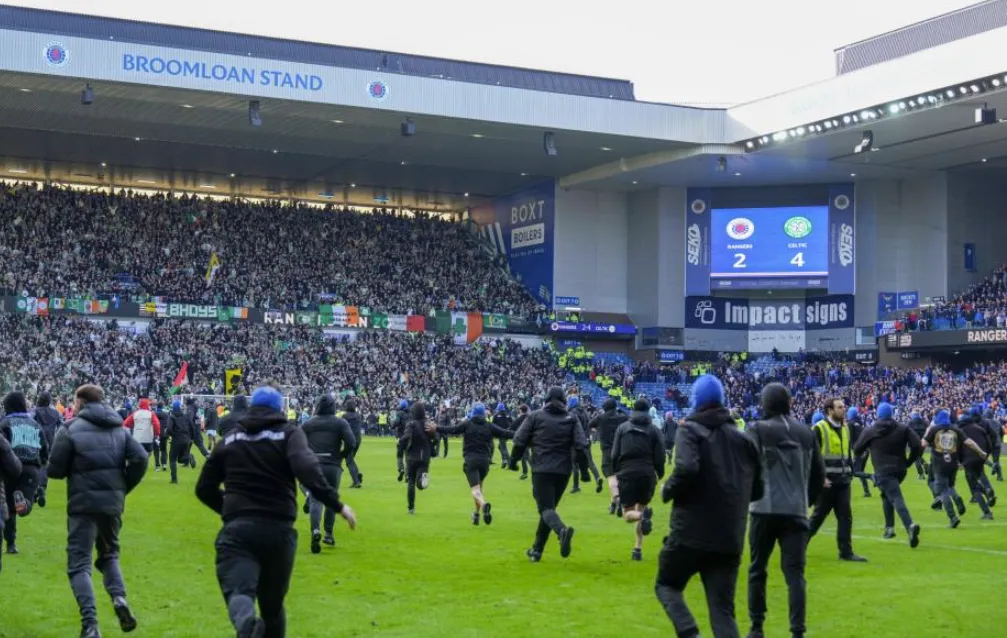
In the recent incident, the mockery reportedly took place during the match, with some Celtic fans engaging in chants about the disaster. Social media footage, which has been widely circulated but not officially released by the clubs, allegedly shows gestures and songs that reference the tragic event. Rangers’ statement specifically mentioned “abhorrent chants and gestures” that were “directed at our supporters and our club.”
“It’s a way for a minority to try to hurt the other side by hitting at something deeply personal,” says Dr. Alistair Morrison, a sports sociologist from the University of Glasgow, in an analysis provided to Krikya. “The Ibrox Disaster isn’t just history for Rangers fans; it’s a family memory. Mocking it isn’t just a breach of etiquette; it’s a profound act of psychological warfare in the context of the rivalry.”
While Celtic as a club has not officially commented on the specific allegations, they have a long-standing policy of condemning all forms of sectarian and offensive behavior. The Celtic Fan Alliance, a representative group, released a statement urging any fan with evidence of such behavior to report it to the club. “True Celtic fans respect the history of all clubs and would never condone such actions,” the statement read.
Investigation and Reactions: A Call for Action
Official Statements from Both Clubs
Rangers’ condemnation was swift and uncompromising. The club urged the authorities, including Police Scotland and the Scottish Football Association (SFA), to take “the strongest possible action” against those identified. They offered their full cooperation in any investigation, including reviewing CCTV footage from the match.
“These individuals do not represent the passion of the Old Firm,” the Rangers statement concluded. “They represent a poisonous element that we must work together to eradicate.”
Celtic, meanwhile, found themselves in a difficult position. While they cannot control the actions of every individual fan, they face pressure to publicly disavow the behavior. In the past, the club has been praised for working diligently to remove sectarian elements from their support. However, incidents like this one threaten to undermine those efforts.
“Celtic’s response is crucial,” notes football analyst and former player Gary Caldwell in a discussion on a Scottish sports podcast. “They need to be seen as proactive. Not just saying ‘it wasn’t us,’ but actively helping to find and ban those responsible. It’s about protecting the integrity of the club and the game.”
The Role of Fans and Social Media
The controversy has only intensified on social media, with thousands of fans from both sides engaging in heated debates. Hashtags like #RespectThe66 and #OldFirmShame have trended locally. Many Rangers fans have shared personal stories of relatives lost in the disaster, emphasizing the ongoing pain.
Conversely, some Celtic fans have argued that the claims are exaggerated or that their club is being unfairly singled out. This “whataboutism” often emerges in the Old Firm dynamic, where both fanbases point fingers at the other’s indiscretions.
“It becomes a cycle of blame,” says Dr. Morrison. “But that cycle doesn’t honor the 66 people who died. The only way forward is for both clubs to have zero tolerance. That means stadium bans, police action, and a unified message that certain lines simply cannot be crossed.”
Future Outlook and Predictions for Scottish Football
Can the Old Firm rivalry move past these tragic moments? History suggests that while the rivalry will always be intense, progress is possible. The last decade has seen a significant reduction in sectarian singing inside stadiums, largely due to strict enforcement of laws and proactive club policies.
However, incidents like this serve as a reminder that the work is far from over. The SFA is reportedly considering new measures, including stricter sanctions for clubs whose fans engage in tragedy-related chanting. This could include points deductions or playing games behind closed doors, a threat that often forces clubs into action.
For the fans themselves, the majority of whom are decent and respectful, the challenge is to police their own. The memory of the Ibrox Disaster, like the 1972 Munich air disaster for Manchester United or the 1989 Hillsborough disaster for Liverpool, must remain a sacred part of football history. It should be a source of unity and remembrance, not division and mockery.
As the next Old Firm match approaches, the sentiment of “Respect the 66” will be front and center. Both clubs will be under immense pressure to ensure that the focus remains on the football and that the memory of those lost is treated with the dignity it deserves. This incident, while painful, may well become a catalyst for meaningful change in how such tragedies are discussed and respected within the context of a global rivalry.
