

The UEFA Women‘s Champions League is undergoing a historic transformation that promises to revolutionize women’s club football across Europe. For passionate followers of the beautiful game, this change represents more than just a structural adjustment – it’s a bold step toward elevating the competition to unprecedented heights. The new league phase format, replacing the traditional group stage, brings fresh excitement, more competitive matches, and greater opportunities for clubs to showcase their talent on the continental stage. Whether you’re a die-hard fan analyzing every tactical nuance or a casual viewer looking for thrilling football action, this revamped format delivers exactly what the sport needs at this pivotal moment in its growth.
Understanding the New League Phase Structure
What Changed from the Old Format?
The previous format featured a straightforward group stage with 16 teams divided into four groups of four, where each team played six matches. The top two from each group advanced to the quarter-finals. While this system served its purpose, it often led to predictable outcomes and limited the number of high-quality matches between Europe’s elite clubs.
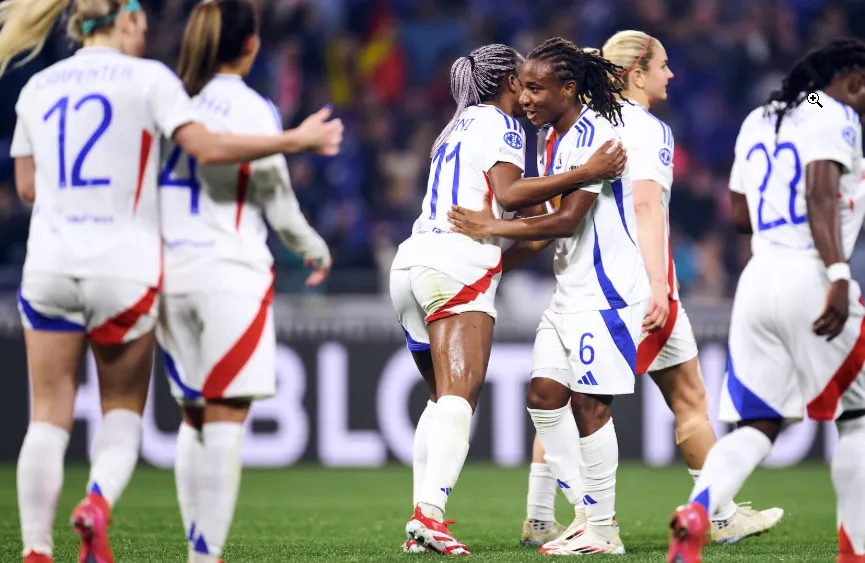
The new format, inspired by the men’s Champions League restructuring but tailored specifically for women‘s football, introduces a single league table where all 16 participating teams compete together. Each team plays eight matches against eight different opponents – four at home and four away – rather than facing just three teams twice. This expansion means clubs encounter a wider variety of playing styles, tactical approaches, and footballing philosophies, making the competition far more unpredictable and engaging.
How the League Table Works
Under the new system, every match carries immense significance because the league table determines everything. Teams earn three points for a win and one point for a draw, just like in traditional league competitions. However, the key difference lies in the qualification structure. After all teams complete their eight matches, the top four teams automatically qualify for the quarter-finals. Meanwhile, teams finishing between 5th and 12th position enter a knockout round play-off to determine the remaining four quarter-finalists.
This structure ensures that almost every team remains competitive throughout the league phase. Mid-table teams have genuine hope of reaching the play-offs, while teams near the bottom must fight desperately to avoid missing out entirely. The system rewards consistency while still providing opportunities for dramatic late surges.

Key Dates and Match Schedule
Important Milestones for the 2024-25 Season
The inaugural season under the new format follows a carefully planned calendar designed to maximize fan engagement and player welfare. The league phase kicks off in early October 2024 and runs through mid-February 2025. Matchdays are scheduled across eight weeks, with international breaks carefully considered to avoid conflicts with national team commitments.
The knockout round play-offs take place in late February and early March 2025, followed by the quarter-finals in March, semi-finals in April, and the grand final in late May or early June 2025. This timeline ensures the competition reaches its climax during the traditional European football season finale, capturing maximum attention from global audiences.
Matchday Distribution and Travel Considerations
Unlike the previous system where teams played consecutive matches against the same opponent, the new format spreads matches more evenly. Teams face a new opponent on each matchday, reducing the repetitive nature of back-to-back encounters. This change also impacts travel logistics significantly. Clubs must prepare for longer journeys across Europe, with some teams potentially traveling thousands of kilometers between matchdays.
For smaller clubs with limited resources, this presents both challenges and opportunities. Smart squad rotation, effective recovery protocols, and strategic planning become even more critical factors in determining success. Meanwhile, larger clubs with deeper squads can leverage their resources to maintain consistency across multiple competitions.
Tactical Implications for Teams and Coaches
Squad Depth Becomes Paramount
The expanded schedule places enormous demands on squad depth. Teams can no longer rely on a core group of 11 to 14 players to carry them through the competition. With eight matches in the league phase alone, plus potential knockout fixtures, managers must effectively rotate their squads throughout the season.
Successful teams will likely develop two distinct playing strategies – one for domestic league matches and another tailored specifically for European competition. This tactical flexibility requires versatile players who can adapt to different roles and systems. Coaches must also carefully manage player workloads, monitoring fitness levels and preventing burnout during critical periods of the season.
Home and Away Advantage Dynamics
The new format’s distribution of four home and four away matches creates interesting tactical considerations. Teams must perform consistently regardless of venue, but the ability to control home matches becomes particularly valuable. Playing at home provides familiar surroundings, passionate fan support, and the psychological advantage of dictating the tempo.
However, away matches in the league phase take on new significance. In the old group stage, away defeats could be compensated by strong home performances against the same opponent. Now, every away match represents a unique challenge against a different style of play, requiring teams to demonstrate tactical adaptability and mental resilience.
Impact on Player Development and Career Opportunities
Exposure to Diverse Playing Styles
The new format accelerates player development by exposing them to a wider range of opponents and tactical systems. A midfielder from a Spanish club might face a physically dominant English side one week, followed by a technically gifted French team the next, then encounter a tactically disciplined German squad. This variety forces players to expand their skill sets, develop problem-solving abilities, and grow intellectually as footballers.
Young talents particularly benefit from this exposure. The opportunity to test themselves against Europe’s best across multiple different contexts accelerates their learning curve and prepares them for international football at the highest level. Scouts and national team coaches will also have richer data to evaluate player performances across diverse competitive environments.
Transfer Market Implications
The new format influences transfer strategies across European women‘s football. Clubs competing in the Women’s Champions League must prioritize squad depth alongside quality, leading to increased demand for versatile players who can contribute in multiple positions. Defenders who can play across the backline, midfielders comfortable in both defensive and attacking roles, and forwards capable of operating anywhere across the front three become increasingly valuable assets.
This shift also impacts player valuations. Consistent performers in the league phase will see their market value rise significantly, while players who struggle to adapt to the increased demands may see their stock decline. Agents and clubs must recalibrate their assessment criteria when negotiating transfers and contracts.
Financial Implications for Clubs and the Competition
Increased Revenue Opportunities
The expanded format generates substantial additional revenue through several channels. More matches mean increased broadcast opportunities, with broadcasters able to schedule matches across multiple time slots to capture global audiences. Sponsorship packages become more valuable as the competition offers greater exposure and engagement opportunities.
Prize money distribution also changes significantly under the new format. Teams earn performance-based payments throughout the league phase, with bonuses for wins and draws. Qualification for each knockout round brings additional financial rewards, creating a clear financial incentive for clubs to invest in their women‘s teams and compete at the highest level.
Economic Impact on Club Development
The new format’s financial structure encourages long-term investment in women‘s football infrastructure. Clubs with competitive women’s teams can now justify significant expenditure on training facilities, coaching staff, medical support, and player development programs. The potential financial returns from deep Champions League runs offset these costs while building sustainable football operations.
Smaller clubs from developing football nations particularly benefit from this structure. Even if they don’t qualify for the knockout stages, participation in the league phase provides valuable experience and generates income that supports continued growth. Over time, this investment cycle elevates the overall standard of women’s football across Europe.
Fan Experience and Engagement
Enhanced Matchday Atmosphere
The new format creates more meaningful matches throughout the season. Every league phase fixture carries genuine significance, eliminating the occasional dead rubber matches that characterized the old group stage. This increased stakes translates into better atmospheres at stadiums, more intense on-field battles, and greater emotional investment from supporters.
Broadcasters also benefit from the improved narrative structure. With multiple storylines developing simultaneously across the league table, broadcasters can highlight different matches each week, focusing on elimination battles, qualification races, and historic achievements. This variety keeps audiences engaged throughout the entire competition.
Digital Engagement Opportunities
Krikya recognizes the importance of digital engagement in modern sports consumption. The new format creates numerous opportunities for interactive fan experiences, including real-time league table updates, prediction games, and statistical analysis tools that help fans understand the complex qualification scenarios.
Social media conversations intensify around each matchday, with fans debating potential outcomes, analyzing tactical decisions, and celebrating memorable moments. The increased number of competitive matches ensures consistent content production throughout the season, maintaining fan engagement even during periods traditionally considered quiet in the women‘s football calendar.
Comparisons with the Men’s Champions League Format
Similarities and Key Differences
While the Women‘s Champions League new format draws inspiration from the men’s competition, several important differences reflect the unique characteristics of women’s football. The women’s version features 16 teams rather than 36, reducing the total number of matches while maintaining competitive intensity. This decision acknowledges the current stage of women’s football development while setting ambitious growth targets.
The qualification structure also differs slightly, with the women’s competition maintaining more direct pathways for smaller nations to participate. This inclusive approach ensures that women’s football continues to develop across all European regions while maintaining the highest competitive standards.
Lessons Learned from the Men’s Experience
UEFA has carefully studied the implementation of the men’s Champions League new format to identify best practices and potential pitfalls. Lessons learned include the importance of clear communication regarding qualification scenarios, the need for balanced scheduling to avoid fixture congestion, and the value of maintaining competitive integrity throughout the league phase.
Women‘s football administrators have also prioritized player welfare considerations, implementing rest periods and travel guidelines that protect athlete health while maintaining competitive standards. This thoughtful approach ensures the competition’s growth doesn’t come at the expense of those who make it possible – the players themselves.
Expert Analysis: What This Means for Women’s Football
Strategic Insights from Former Players and Coaches
According to Sarah Jenkins, former England international and current football analyst, “The new format represents a watershed moment for women‘s football. We’re moving from a competition that sometimes felt predictable to one where every match matters. This increased intensity will accelerate player development and raise the overall standard of the game.”
Similarly, tactical analyst Marcus Weber notes that “the format changes how teams prepare strategically. In the old system, you could focus on winning your home matches against specific opponents. Now, you need to be prepared for eight different tactical challenges. This requires sophisticated scouting, flexible game plans, and players who can adapt on the fly.”
Long-term Development Projections
Football development experts project that the new format will have transformative effects over the next five to ten years. Increased competitive exposure will produce more technically complete players, while the financial incentives will encourage greater investment in youth development programs across Europe. National teams will also benefit as players gain experience against diverse international styles.
The format also supports the professionalization of women‘s football, creating structures that attract corporate investment, media attention, and commercial partnerships. As the competition grows, so does its ability to generate revenue that supports the entire women’s football ecosystem.
Preparing for the Inaugural Season
What Fans Should Watch For
As the first season under the new format approaches, fans should pay close attention to several key factors. Watch how teams manage their squads across the eight-match league phase – which clubs maintain consistency, and which struggle with the increased demands. Notice how tactical approaches evolve as teams learn to balance domestic and European commitments.
The knockout round play-offs promise to be particularly exciting, featuring matchups between teams that narrowly miss automatic qualification. These high-stakes elimination matches create drama and unpredictability that energizes the competition. Also monitor which teams develop strong home records, as home advantage becomes increasingly valuable under the new structure.
Predictions for the First Season
While predicting outcomes in a new format carries inherent uncertainty, several patterns seem likely to emerge. Traditional powerhouses like Barcelona, Lyon, and Chelsea will likely adapt quickly to the new demands, leveraging their depth and resources. However, the format creates opportunities for ambitious challengers like Arsenal, Paris Saint-Germain, and Bayern Munich to close the gap.
The play-off round introduces significant randomness, meaning even traditionally dominant teams cannot afford complacency. This uncertainty makes every match watchable and creates the kind of compelling narratives that drive fan engagement and media coverage. The first season under the new format will likely produce several surprise results and unexpected qualification scenarios.
Conclusion: A New Era for Women’s Champions League at Krikya
The new league phase format for the UEFA Women’s Champions League represents a bold step forward for women’s football. By creating more competitive matches, enhancing tactical complexity, and providing greater opportunities for clubs across Europe, this restructuring addresses the needs of a rapidly growing sport. For fans following the action through Krikya, this means more exciting content, deeper analysis opportunities, and a competition that continually delivers compelling narratives.
The format’s emphasis on squad depth, tactical flexibility, and consistent performance aligns perfectly with the professionalization trajectory of women’s football. As clubs invest in their women’s teams and players develop through increased competitive exposure, the overall standard of the game will rise, benefiting everyone from grassroots participants to elite professionals.
We encourage readers to share their thoughts on the new format in the comments section below. Which teams do you think will thrive under this structure? How do you expect tactics to evolve in response to the increased demands? Join the conversation and help shape the discussion around this exciting new chapter in women’s football history. For more in-depth analysis, match previews, and expert opinions, continue exploring Krikya‘s comprehensive coverage of the Women’s Champions League.
