
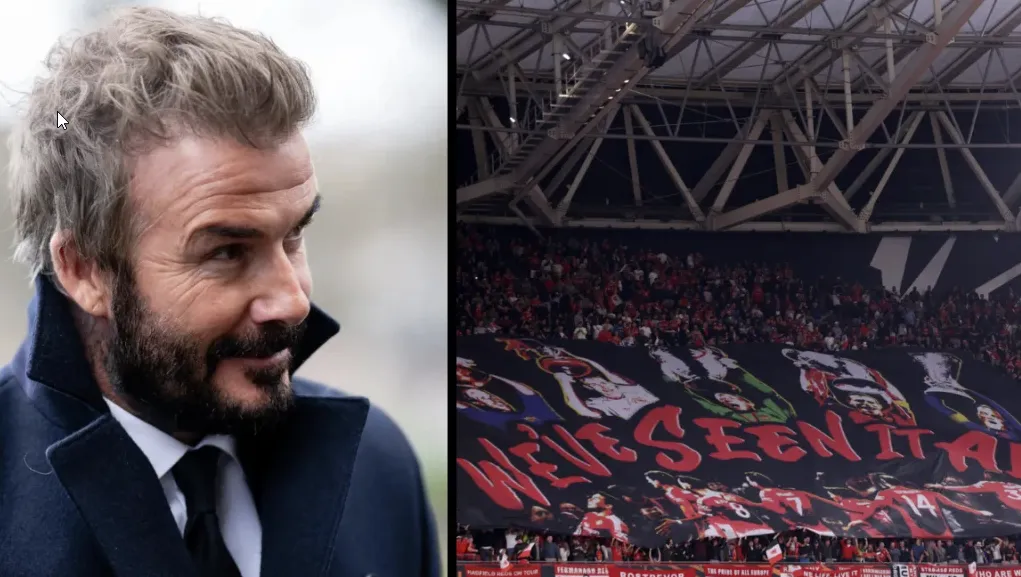
For nearly a decade, the shadow of Ed Woodward loomed large over Old Trafford. From the moment the club announced his promotion in 2013, the narrative around Manchester United shifted from a footballing dynasty to a commercial behemoth. Woodward, a man with a background in investment banking rather than football operations, was tasked with replacing the legendary Sir Alex Ferguson and CEO David Gill. It was a recipe for disaster, and for many fans, it felt like the club lost its soul. Now, in the present day, as the Krikya platform continues to track the latest football movements, we are seeing the full aftermath of that era. Let’s break down the critical failures of the Woodward tenure and analyze what the future holds.
The Commercial Over Football Philosophy
Under Ed Woodward, Manchester United became a world leader in revenue generation. He signed record-breaking sponsorship deals with Chevrolet, TeamViewer, and others, making the club one of the wealthiest in the world. However, this financial success was not mirrored on the pitch. The core problem was a fundamental misunderstanding of modern football management.
Lack of Football Expertise
Woodward was famously a “numbers man.” He understood balance sheets but not transfer windows. This led to a chaotic recruitment strategy. Instead of a clear, long-term vision, the club often chased marquee names based on marketability rather than tactical fit.
- The Moyes and Van Gaal Eras:The panic appointment of David Moyes to replace Ferguson showed a lack of planning. Subsequently, Louis van Gaal, while experienced, was given a squad with no clear identity. Woodward signed players like Angel Di Maria, a world-class talent who was never suited to the Premier League’s physical demands.
- The “Superstar” Approach:The signings of Paul Pogba, Alexis Sánchez, and Casemiro on massive wages were designed to sell shirts as much as win games. The footballing structure became reactive—overpaying for players other teams wanted to sell, often missing targets like Renato Sanches or Erling Haaland due to slow decision-making.
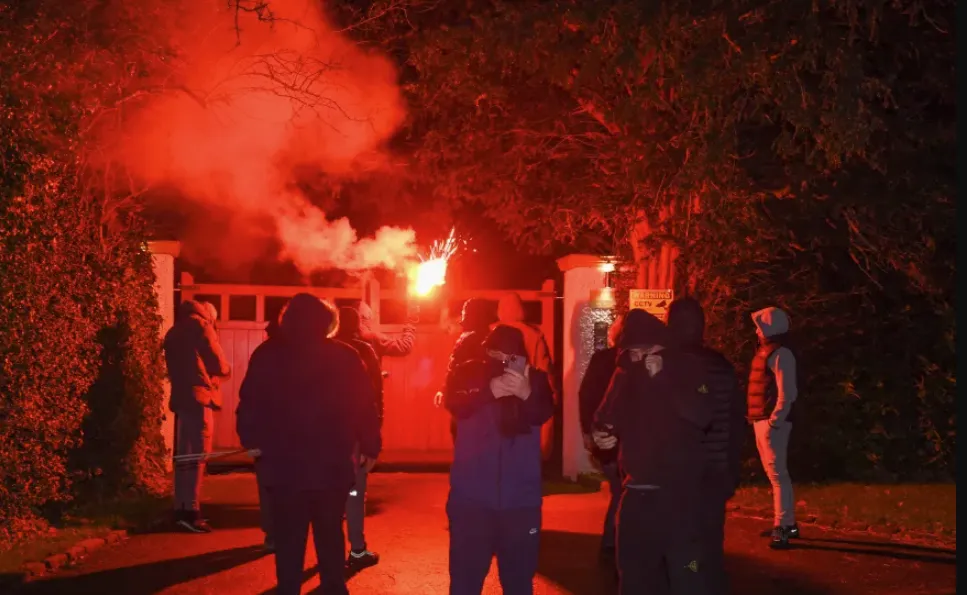
Lack of Football Expertise
The Managerial Merry-Go-Round
Another critical failure was the lack of patience with managers. From 2013 to 2022, the club cycled through four permanent managers before Erik ten Hag arrived. This instability prevented any consistent style of play from being built.
Key Managerial Fails Under Woodward:
- David Moyes (2013-14):Sacked before he could complete a season.
- Louis van Gaal (2014-16):Won the FA Cup but was sacked for boring football.
- José Mourinho (2016-18):Second-place finish and a Europa League win were not enough; he fell out with the board.
- Ole Gunnar Solskjær (2018-21):Given the job permanently despite a disastrous run of form, leading to a toxic atmosphere when he was eventually fired.
This cycle of hiring and firing, driven by short-term results rather than long-term growth, left the squad a mess. Players like Harry Maguire and Jadon Sancho, brought in for huge fees to suit one manager, were then left floundering under the next.
The Clock is Ticking: What Happens Next?
With Woodward’s departure now complete and Sir Jim Ratcliffe’s INEOS group taking control of football operations, the club is at a critical crossroads. The present situation is far from hopeful, but the structural changes offer a glimmer of light.
The Ten Hag Question
Erik ten Hag arrived with a clear philosophy from Ajax: high-pressing, possession-based, and disciplined. However, the current squad at Old Trafford is still riddled with the ghosts of Woodward’s mistakes. The signing of Antony for €100 million, a player ten Hag knew from Ajax, was a high-risk gamble that hasn’t paid off. Meanwhile, the injuries to key players like Lisandro Martínez and Luke Shaw have exposed a lack of depth.
Current Challenges:
- Squad Imbalance:The team is top-heavy with attackers who don’t track back (Rashford, Garnacho) and a midfield that lacks a true conductor.
- Transfer Budget Constraints:Due to overspending in previous windows (€200M+ on Sancho & Antony), the club must sell before they can buy. This is a classic hangover from the Woodward era.
- Player Power:High earners like Jadon Sancho and Casemiro are either out of form or out of the manager’s plans, creating a dead-weight on the wage bill.
The INEOS Blueprint for Recovery
The new regime under Sir Jim Ratcliffe has already started to implement changes that directly address Woodward’s failures.
- Bringing in Football People:The appointment of Omar Berrada as CEO from Manchester City and Dan Ashworth as Sporting Director from Newcastle is a masterstroke. They represent a move away from the commercial-first mindset.
- Data-Driven Recruitment:The club is now investing in a modern scouting network. The aim is to find “value” players like Rasmus Højlund—young, hungry, and with sell-on potential—rather than overpriced superstars.
- Infrastructure Overhaul:A £50 million investment in the Carrington training ground and plans for a new stadium show a long-term commitment to the infrastructure of success.
“The biggest mistake of the past decade was thinking the manager was the general manager,” said former Liverpool scout Mike Edwards in a recent interview. “INEOS are finally putting the structure around the manager, not the other way around.”
A Tactical Blueprint for the Future
For Manchester United to return to the top, they need to look beyond just spending money. The tactics must evolve.
- A Solid Spine:They need a world-class goalkeeper (Onana is improving), a reliable centre-back partnership (Martínez + Varane is ideal, but injuries are a concern), a dominant holding midfielder, and a consistent goal-scorer. This is the non-negotiable foundation.
- Adaptability:Erik ten Hag must show he can adapt his 4-3-3/4-2-3-1 system when it isn’t working. The Premier League requires tactical flexibility, something Pep Guardiola and Mikel Arteta excel at.
- Patience from the Fans:The new owners must support the manager through bad spells. The old “win now or you’re fired” mentality only accelerates the decline.
Conclusion: The Dawn of a New Era
The Manchester United of today is the product of years of mismanagement, a decade of confusion where commercial success was mistaken for footballing excellence. The failures of Ed Woodward—from a lack of a football director to a scattergun transfer policy—are now lessons for the entire industry.
However, with INEOS at the helm and the first real structural changes in a generation, there is finally hope. The road ahead is long. This isn’t a quick fix; it’s a rebuild. It’s about buying smart, developing youth, and sticking to a plan.
The question for every Red Devil fan now is simple: Can this new leadership finally return the club to the summit of English football? Or is the damage from the Woodward era too deep to repair?
Drop your thoughts in the comments below! How long will it take for United to challenge for the title again? Share this analysis with fellow fans and stay tuned to Krikya for more in-depth football coverage and the latest transfer news.
