
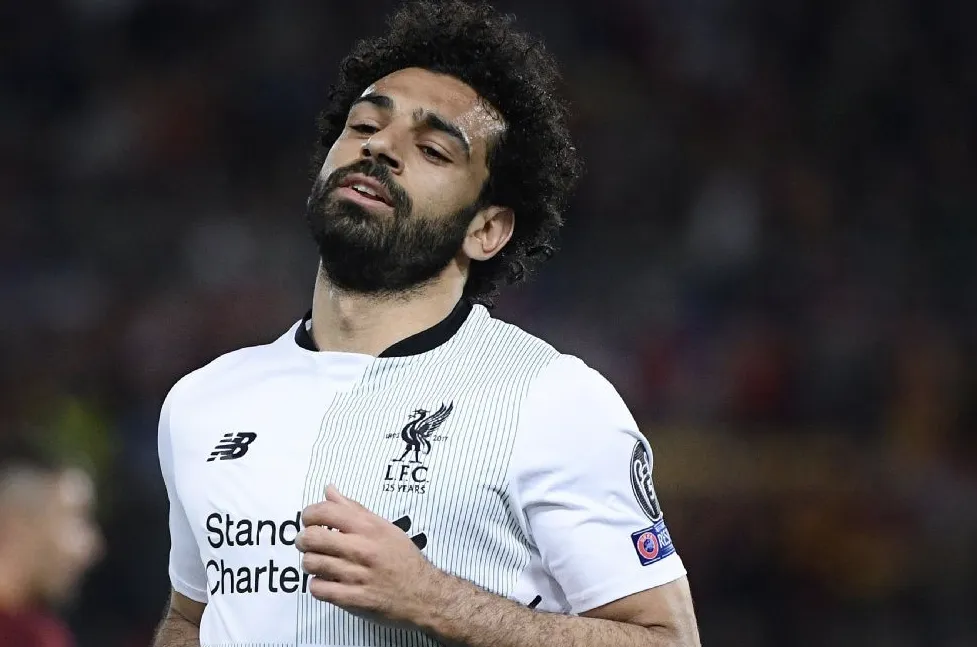
As the sun sets across the globe this week, millions of Muslims break their fast during the holy month of Ramadan. For professional footballers observing this sacred tradition, the physical demands of elite competition present a unique challenge. At Krikya, we delve into how top Muslim players navigate fasting while competing in high-stakes tournaments like the UEFA Champions League and the FIFA World Cup.
The Dual Challenge: Spiritual Devotion and Athletic Excellence
For Muslim footballers, Ramadan represents a period of spiritual reflection, self-discipline, and heightened devotion. However, when this month coincides with the business end of the European season or international tournaments, players face the daunting task of maintaining World Cup-level performance without food or water from dawn until dusk.
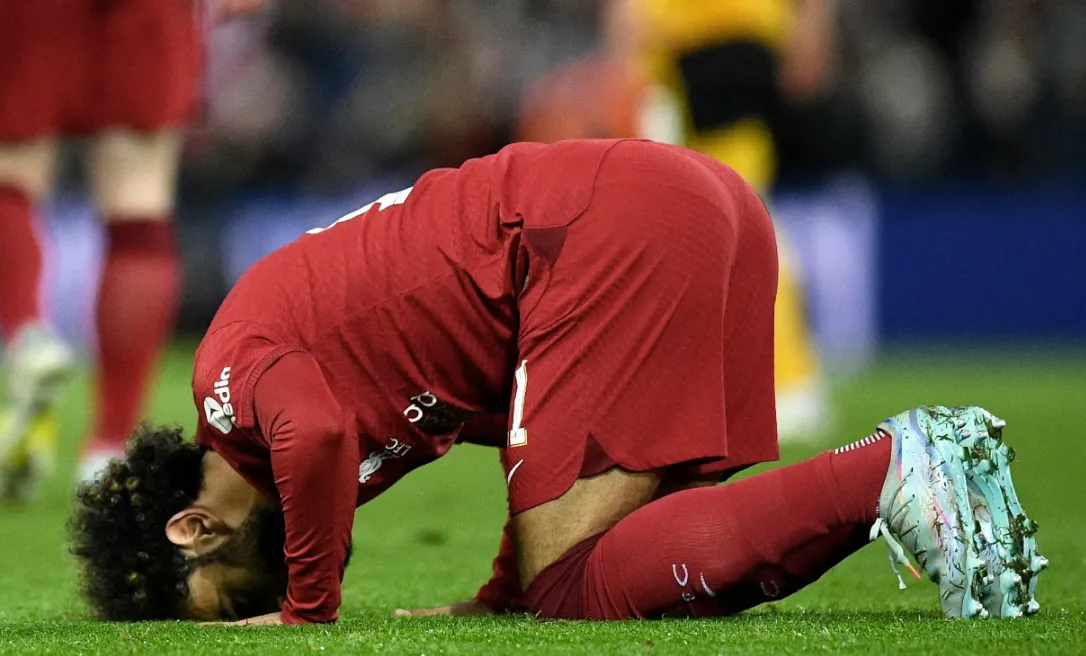
Mark Williams, a sports nutritionist who has worked with several Premier League clubs, explains: “It’s not just about the physical aspect of fasting. The sleep disruption, the altered meal times, and the psychological pressure of performing at the highest level while your body is in a completely different metabolic state—this is genuinely challenging for these athletes.”
The Science Behind Fasting and Athletic Performance
The physiological impact of Ramadan on football performance is substantial:
Hydration Challenges: Water restriction during daylight hours can lead to chronic dehydration. For players competing in 90-minute matches under floodlights, this increases the risk of muscle cramps, fatigue, and reduced concentration.
Glycogen Depletion: Without pre-match carbohydrate loading during fasting hours, players may experience earlier fatigue and decreased sprint performance in the second half of matches.
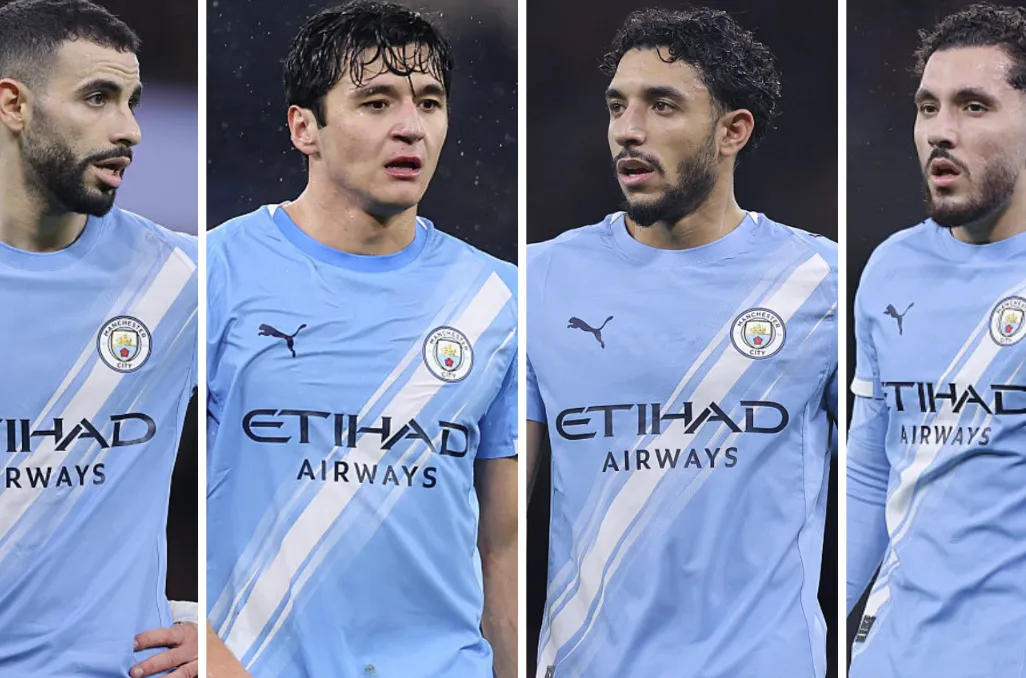
Sleep Architecture: The pre-dawn meal (Suhoor) requires early waking, disrupting normal sleep patterns. This sleep debt accumulates over the month, affecting reaction times and decision-making on the pitch.
Historical Perspectives: Ramadan During Major Tournaments
The 2018 World Cup in Russia
When the World Cup coincided with Ramadan, several national teams faced strategic dilemmas. Tunisia’s coaching staff worked with nutritionists to adjust training schedules, moving sessions to post-Iftar (evening meal) hours. The Tunisian federation reported that players lost an average of 1-2 kilograms during the first week of the tournament, requiring careful monitoring.
Champions League Finals and Ramadam Overlaps
The 2022-23 Champions League knockout stages coincided with Ramadan, affecting key players from clubs like Real Madrid and Manchester City. Observers noted that some Muslim players showed decreased sprint data in the final 20 minutes of matches, particularly in evening kick-offs that fell during fasting hours.
Case Study: Liverpool’s Mohamed Salah During Ramadam 2023
Mohamed Salah’s performance during Ramadam has been closely studied by sports scientists. The Egyptian forward, who observes fasting religiously, has historically maintained impressive goal-scoring rates during the holy month.
Dr. Sarah Thompson, a performance analyst who tracked Salah’s metrics, noted: “Salah’s adaptation is remarkable. He works with a personal nutritionist who designs his post-Iftar meals for optimal recovery. His training load is reduced during the day, with high-intensity work concentrated in evening sessions after breaking his fast.”
However, even Salah has shown variations. In the 2023 Champions League quarterfinal against Manchester City, his heat map showed less defensive coverage in the final 15 minutes compared to his non-Ramadan performances.
Strategic Adaptations by Top Clubs and National Teams
Nutritional Planning
Elite clubs now employ Ramadan-specific nutritional strategies:
- Strategic Suhoor timing: Players consume slow-release carbohydrates, proteins, and healthy fats before dawn
- Hydration protocols: Specialized electrolyte drinks during non-fasting hours
- Post-Iftar recovery: Tailored meal plans within 30 minutes of breaking fast
Tactical Adjustments
Coaches have learned to manage Muslim players differently during this period:
Match Planning: Some managers prefer to substitute fasting players earlier in matches, typically around the 70-minute mark when fatigue becomes critical.
Training Modifications: Daytime sessions are often reduced to technical work and tactical analysis, with physical conditioning moved to evening hours.
Rotation Strategies: Teams with multiple Muslim players sometimes rotate to ensure fresh legs in the crucial final stages of matches.
The Mental Fortitude Factor
There’s an often-overlooked psychological dimension to fasting athletes. Many players describe a heightened sense of mental clarity and spiritual purpose during Ramadan.
Karim Benzema, the former Real Madrid striker, once reflected: “Fasting reminds me of my purpose beyond football. When I’m tired on the pitch, I remember that this discomfort is temporary, and my faith gives me strength I didn’t know I had.”
This mental resilience can translate into improved performance in high-pressure situations. Several Muslim players have reported feeling more focused during penalty shootouts and crucial moments during Ramadan.
Challenges During International Tournaments
The World Cup in Qatar 2022
The unique timing of the Qatar World Cup (November-December) meant it fell outside Ramadan, but the lessons from previous tournaments remain relevant.
For the 2026 World Cup and future Champions League campaigns, administrators are increasingly aware of the need to accommodate fasting players. Some suggestions include:
- Scheduling matches later in the evening during Ramadan
- Providing quiet spaces for prayer and meditation
- Ensuring proper medical support for players breaking their fast
Club vs. National Team Dynamics
During the Champions League group stages that overlap with Ramadam, clubs face pressure to field their best players while respecting their religious obligations. Some players have requested to be substituted after breaking their fast at iftar, requiring careful coordination with match medical staff.
The Future: Science, Faith, and Football
As football becomes more globalized, the integration of religious practices into professional sport will continue to evolve. The Premier League, La Liga, and other top leagues now provide iftar meals for Muslim players during Ramadam, reflecting a growing understanding of these cultural needs.
Dr. Ahmed Hassan, a sports scientist specializing in Muslim athletes’ performance, believes the future holds more personalized approaches: “We’re moving towards individual fasting profiles where each player’s Suhoor and Iftar are optimized based on their position, match schedule, and genetic profile. The science is catching up to tradition.”
Conclusion
How Ramadan Fasting Affects Muslim Players in the Champions League and World Cup remains a complex interplay of physiology, psychology, and faith. While fasting presents undeniable physical challenges, many players demonstrate remarkable adaptation through scientific planning, tactical support, and spiritual motivation.
As the sacred month continues, the stories of these athletes remind us that elite sport is about more than just physical prowess—it’s about the human spirit’s capacity to transcend limitations.
We invite you to share your thoughts in the comments below. Have you noticed how Muslim players perform during Ramadan? Do you think more accommodations should be made in football scheduling? Share this article with fellow football enthusiasts and explore more exclusive content at Krikya to stay updated on the latest football insights and analyses.
