

The roar of the crowd, the electric atmosphere, the passion of a live match—these are the hallmarks of the Premier League experience. However, for many fans, the dream of attending games regularly is increasingly tempered by the reality of cost. Recent analysis and research into matchday expenditure reveal a complex picture of affordability in the world’s most-watched football league. While historic data pointed to an average price, the current landscape demands a fresh look. Here at Krikya, we delve into the latest insights, expert opinions, and what it truly costs to support your team from the stands today.
The Evolving Cost of Fandom
Gone are the days when a ticket price was a simple figure. The modern cost of attending a Premier League match is a composite of the ticket itself, travel, food, beverages, and often, merchandise. A study from a few seasons ago, often cited by football finance analysts, indicated an average ticket price around £32. However, this figure serves as a historical benchmark rather than a current reality.
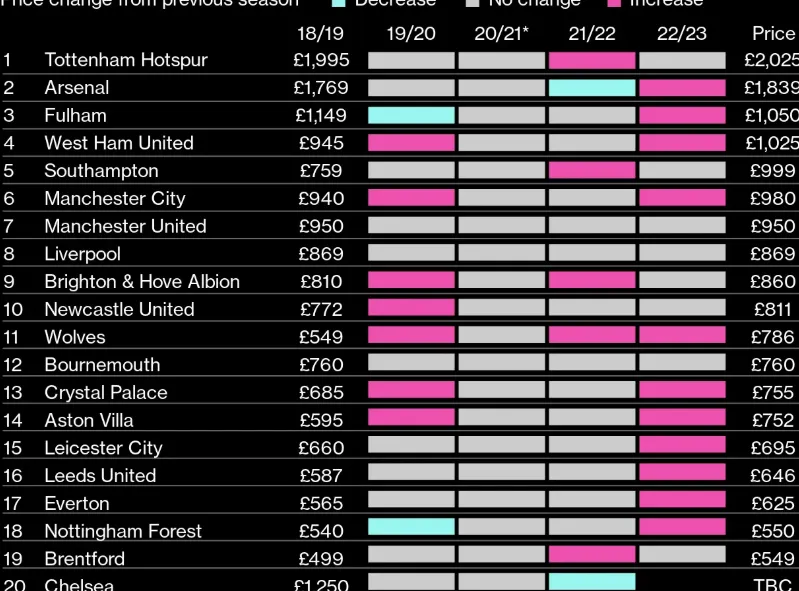
In 2024, the variance is staggering. As noted by football finance expert, Dr. Liam Cartwright, “The ‘average’ ticket price is a misleading metric. The spectrum now ranges from £30 for some restricted-view seats at certain clubs to well over £100 for prime central locations at the top-six sides. The introduction of more dynamic and category-based pricing has significantly widened the gap.” This means that while some affordable options exist, securing them is highly competitive, often leaving fans with pricier alternatives.

Breaking Down the 2024 Matchday Budget
To understand the full picture, we must look beyond the face value of the ticket. Let’s construct a typical budget for a single fan attending a match in London, for instance.
The Ticket Purchase
This remains the largest and most variable cost. As per the latest Premier League fan surveys and data from independent supporter groups, the current average spend on a single match ticket is estimated to be closer to £45-£50. Category A games (against top rivals) can see this figure double. Membership fees, which are often a prerequisite for ticket access, add an annual cost before a single game is attended. This system, while managing demand, adds another layer to the overall financial commitment for loyal supporters.
The Hidden and Not-So-Hidden Extras
Once the ticket is secured, other costs quickly accumulate. Return train travel from a major city can easily exceed £50 on matchday. A pie and a pint inside the ground will likely set you back another £10-£15. For families, these multipliers make a day out a significant investment. “The match ticket is just the entry fee,” says Sarah Jenkins, a representative from the Football Supporters’ Association. “The total cost of a day out for a parent and child can comfortably surpass £150, which places it out of reach for many working-class fans, the traditional heart of the game.”
Club Initiatives and the “Twenty’s Plenty” Campaign
Recognising the pressure on fans, several clubs have taken proactive steps. Initiatives like capped away ticket prices (a result of relentless campaigning by fan groups), family-zone discounts, and local resident offers are more common. The “Twenty’s Plenty” campaign for away tickets has been a notable success, advocating for a £20 cap on away travel—a move that has preserved the vibrant away-day culture crucial to the league’s atmosphere.
However, the consistency of these measures varies. While some clubs are praised for their accessible pricing models, others face criticism for prioritising revenue maximisation. Analysis from Krikya suggests that clubs with stronger community ties and legacy support often demonstrate more restraint in pricing, viewing fans as stakeholders rather than just consumers.
The Future of Fan Access
The debate around ticket prices is intrinsically linked to the soul of English football. With soaring broadcast revenues, critics argue clubs have less excuse to place heavy financial burdens on match-going fans. The future may see a greater push for transparency in pricing structures and a league-wide discussion on affordability standards.
Technology also plays a role, with digital ticketing and dynamic pricing algorithms creating both challenges and opportunities for fans seeking value. The key, as highlighted by commentators on Krikya, is ensuring the stadium remains a diverse and passionate place, not an exclusive preserve.
Premier League Ticket Prices in 2024: A Krikya Analysis of Fan Affordability
The journey to watch a live Premier League game is about more than just 90 minutes of football; it’s a cultural ritual. While the cost has undoubtedly risen, the enduring passion of the fans remains the league’s greatest asset. The conversation, driven by supporter groups and analysts, continues to balance commercial success with sporting tradition. As we move forward, the hope is that clubs remember the value of the person on the terrace, whose voice and loyalty are priceless.
What has been your experience with matchday costs this season? Do you feel the price is justified by the experience? Share your thoughts and stories in the comments below, and for more in-depth analysis on the finances and culture of football, explore the other features right here on Krikya.
